Top RIDGID 2-Inch Pipe Cutter Options for Professional and DIY Projects
Selecting the right pipe cutter for 2-inch applications requires balancing the material type, such as plastic, CPVC, or heavy-duty steel, against the required mechanical action. RIDGID offers a specialized range of tools designed to handle these specific diameters, utilizing different cutting mechanisms like ratcheting blades, hinged frames, or traditional wheel-based designs. Whether you are performing routine plumbing maintenance or working on industrial steel projects, understanding the distinction between these models is essential for achieving a clean, square cut. This guide examines the available RIDGID options to help you determine which tool aligns with your specific pipe material and capacity requirements, ensuring you have the appropriate equipment for your workshop or job site needs.
When evaluating pipe cutters, the primary consideration is the material composition of the pipe being cut. Plastic and PEX materials benefit significantly from the quick, one-handed ratcheting action found in several RIDGID models. Conversely, steel piping necessitates the robust, high-leverage design of hinged cutters or traditional wheel-style tools. These distinct engineering approaches prioritize either ease of use for lighter materials or maximum force application for metal. By reviewing the technical specifications and user-reported ratings for these specific RIDGID models, you can identify which tool provides the necessary leverage and blade configuration to complete your project safely and effectively without compromising the integrity of the pipe end.

1. RC-2375 Ratchet Action 2" Pipe and Tubing Cutter, Chrome, Small - 30088 & 23493 Model PC-1375 ML Single Stroke Plastic Pipe and Tubing Cutter, 1/8-inch to 1-3/8-inch Pipe Cutter
This combination set includes two distinct tools designed for plastic and tubing applications. The RC-2375 is a ratcheting action cutter engineered for 2-inch pipe, while the PC-1375 ML is a single-stroke cutter suited for smaller diameters ranging from 1/8-inch to 1-3/8-inch. By bundling these two models, the kit offers versatility for plumbers or technicians who frequently switch between different plastic piping sizes. The chrome finish provides a durable exterior for the ratcheting unit, which is specifically built to manage the mechanical stress of cutting through rigid plastic tubing. Having two separate tools allows for specialized handling, as the single-stroke mechanism is optimized for rapid cuts on smaller conduits, while the ratcheting unit provides the necessary leverage for the larger 2-inch capacity requirements.
Best for: Plumbers working with both small and large diameter plastic piping.
Check on AmazonHighlights
- Includes two distinct cutting mechanisms
- Covers a wide range from 1/8-inch to 2-inch
- Ratcheting action for larger plastic pipes
- Single-stroke design for smaller tubing
Keep in mind
- Limited to plastic and tubing materials
- May require more manual effort than power-assisted tools
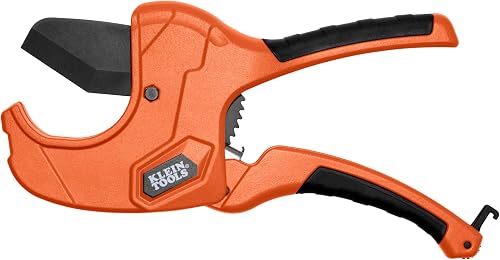
2. 50080 Ratcheting PVC Pipe Cutter, Cuts 2-Inch ID PVC, CPVC, PEX Pipes, One-Handed Operation, Replaceable Blades
Designed specifically for plastic piping, this 50080 ratcheting cutter accommodates 2-inch ID pipes, including PVC, CPVC, and PEX. The one-handed operation feature is intended to increase efficiency during installation or repair tasks, allowing the user to secure the tool and advance the blade with minimal physical strain. The inclusion of replaceable blades is a significant functional advantage, as it ensures the tool can be maintained over time, preserving cut quality even after heavy use. With a 4.5 out of 5-star rating, this model is positioned as a reliable choice for those prioritizing ease of use and portability when working with common plastic plumbing materials. The ratcheting mechanism effectively incrementalizes the cutting force, which helps in preventing pipe deformation during the process.
Best for: Quick, one-handed plastic pipe cutting in plumbing repairs.
Check on AmazonHighlights
- Specifically rated for 2-inch ID PVC and PEX
- One-handed ratcheting operation
- Includes replaceable blade system
- High user satisfaction rating
Keep in mind
- Not suitable for steel or metallic pipe
- Blade sharpness may degrade over heavy usage

3. 73162 424-S Steel Pipe Cutter, 2-inch to 4-inch Hinged Pipe Cutter for Steel Pipe
The 73162 424-S is a heavy-duty hinged pipe cutter engineered for steel pipe ranging from 2 inches to 4 inches. Unlike plastic-focused cutters, this tool uses a hinged frame design, which allows it to be placed around the pipe rather than needing to be slid over the end. This is particularly useful in tight quarters or when working on existing plumbing lines that cannot be easily accessed from the end. Holding a perfect 5.0 out of 5-star rating, this tool is built for the high-torque requirements of cutting through thick-walled steel. The hinged assembly provides a secure grip, ensuring the cutting wheel tracks accurately around the diameter of the steel, resulting in a cleaner edge necessary for threading or joining metal piping systems.
Best for: Cutting large-diameter steel pipe in confined spaces.
Check on AmazonHighlights
- Hinged design for easy pipe access
- Specifically built for 2-inch to 4-inch steel
- High-leverage construction for metal
- Perfect user rating
Keep in mind
- Significantly heavier than plastic-specific cutters
- Limited to steel pipe applications

4. 32820 Model 2A Pipe Cutter fits RIDGID 33100 (Renewed)
The 32820 Model 2A is a traditional pipe cutter designed for heavy-duty metal applications, compatible with the RIDGID 33100. This renewed unit provides a cost-effective alternative for professionals requiring the classic wheel-cutter configuration. It is designed to handle the rigors of cutting metal pipe, utilizing a hardened steel cutting wheel that is manually advanced via a threaded handle. The wheel-based approach is a standard in professional plumbing for achieving square cuts on steel or other metallic conduits. With a 5.0 out of 5-star rating, this specific model is recognized for its reliability in workshop settings. Because it is a renewed item, it serves as a practical option for those seeking established performance standards while adhering to a budget for shop equipment.
Best for: Standard metal pipe cutting and shop-based plumbing tasks.
Check on AmazonHighlights
- Classic wheel-cutter configuration
- Compatible with RIDGID 33100 systems
- Durable construction for metal pipe
- Perfect user rating for the renewed model
Keep in mind
- Requires manual rotation around the pipe
- Renewed status may imply cosmetic variations
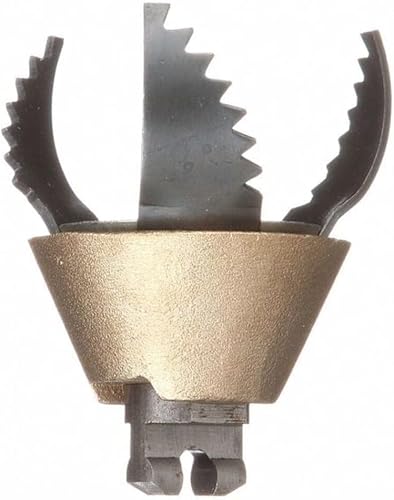
5. 3 Blade Cutter, 2 In. W, 5/8 In., Steel
This 3-blade cutter is designed for 2-inch width applications and features a steel construction. It is a specialized tool intended for specific industrial or workshop tasks where a multi-blade approach is required to score or cut material. While it lists a 1.0 out of 5-star rating, it remains a distinct hardware option for users specifically looking for a 3-blade configuration to handle 5/8-inch or 2-inch components. The steel build is intended for durability, though users should be aware that this tool does not provide the same ratcheting or hinged mechanical advantages found in other RIDGID pipe-specific cutters. It is best suited for niche applications rather than general-purpose plumbing, provided the user has a specific need for the 3-blade design.
Best for: Niche shop tasks requiring a 3-blade cutting configuration.
Check on AmazonHighlights
- 3-blade design
- Steel construction
- Accommodates 2-inch width
- Specialized tool format
Keep in mind
- Poor user rating history
- Lack of mechanical leverage compared to other models
How to choose
Pipe Material Compatibility
Select a cutter based on the specific material you need to process. The Ridgid product lineup includes options specialized for plastic pipes, such as PVC, CPVC, and PEX, as well as heavy-duty models engineered specifically for steel pipe applications. Ensure the tool is rated for the material density you are cutting to prevent blade damage and ensure a clean, efficient cut. Plastic-focused cutters often feature ratchet action or single-stroke mechanisms, while steel-focused cutters utilize hinged designs to accommodate the rigidity and thickness of metal piping systems. Always verify the compatibility of the specific tool model with your project requirements before purchase.
Cutting Capacity and Size
Capacity is critical when choosing a 2-inch pipe cutter. Some tools are designed for smaller diameter tubing starting at 1/8-inch, while others are purpose-built for larger ranges, such as the 2-inch to 4-inch steel pipe capacity found in hinged models. If you are working exclusively with 2-inch PVC or PEX, a dedicated ratcheting cutter is often the most efficient choice. For projects involving a variety of pipe sizes, look for tools that offer adjustable ranges. Always match the tool's maximum diameter capacity to your largest pipe to avoid mechanical failure during operation.
Cutting Mechanism
Ridgid cutters utilize various mechanisms to apply force to the pipe. Ratcheting cutters provide mechanical advantage, making it easier to cut through 2-inch PVC with one-handed operation. Single-stroke cutters offer rapid, direct action for smaller plastic tubing. For industrial steel applications, hinged pipe cutters are the standard, as they allow the user to wrap the tool around the pipe securely before applying pressure. Consider the physical effort required for your specific workflow; ratcheting mechanisms are generally less fatiguing for repetitive tasks, while hinged steel cutters provide the stability necessary for cutting thicker, rigid metal walls.
Maintenance and Durability
Consider the long-term maintenance requirements of your pipe cutter. Models featuring replaceable blades offer a significant advantage, as they allow you to restore cutting performance without replacing the entire tool when the edge dulls. This is particularly relevant for high-frequency users cutting plastic pipes. Steel pipe cutters are constructed for heavy-duty environments but require proper alignment and care to maintain the cutting wheel's integrity. Review the specifications for replaceable parts to ensure your investment remains functional over time. Choosing a tool with available replacement blades can extend the service life and value of your equipment.
Operation Style
Evaluate whether you require a tool designed for one-handed operation or a more substantial, multi-handed tool. One-handed ratcheting cutters are highly portable and convenient for overhead or tight-space plumbing work involving PVC or PEX. Conversely, hinged steel pipe cutters typically require a two-handed approach to secure the frame and turn the cutter around the pipe. Your choice should depend on the physical constraints of your workspace and the type of pipe being cut. Ensure the operating style aligns with the physical demands of your specific environment to maintain efficiency and safety during your cutting tasks.
Frequently asked questions
Can I use a PVC cutter on steel pipes?
No, you should not use PVC-specific cutters on steel pipes. PVC cutters, such as the ratcheting models, are designed for plastic materials like PEX, CPVC, and PVC. Steel pipes require specialized tools like the hinged 424-S pipe cutter, which is engineered to handle the hardness and wall thickness of steel. Using a plastic pipe cutter on steel will likely damage the blade or the ratcheting mechanism, rendering the tool ineffective or unsafe for further use.
What is the benefit of a ratcheting pipe cutter?
A ratcheting pipe cutter provides mechanical advantage, which allows you to cut through thicker pipes, such as 2-inch PVC, with significantly less physical effort. The ratcheting mechanism advances the blade in small increments, enabling one-handed operation. This is particularly useful in tight spaces or when performing repetitive cuts, as it reduces user fatigue compared to manual, non-ratcheting cutters. It is an ideal feature for plumbers and DIYers working primarily with plastic piping systems.
Are blades on Ridgid cutters replaceable?
Yes, some Ridgid cutters are designed with replaceable blades. For instance, specific ratcheting PVC pipe cutters allow you to swap out worn blades to maintain cutting efficiency. It is important to check the specific model number of your cutter to ensure you purchase the correct replacement part. Replacing the blade is a cost-effective way to extend the life of your tool, especially if you frequently cut through high volumes of PVC or PEX pipe.
What is a hinged pipe cutter used for?
A hinged pipe cutter is primarily used for cutting steel pipe. The hinged design allows the tool to open and wrap around the pipe, providing a secure, enclosed fit. This ensures the cutting wheels stay aligned as you rotate the tool around the pipe. These are heavy-duty tools intended for environments where steel piping is installed, offering the stability and force required to penetrate thick metal walls that standard plastic cutters cannot handle.
How do I choose between a single-stroke and a ratcheting cutter?
Choose a single-stroke cutter for smaller, thinner plastic tubing where speed is essential. These are typically limited to smaller diameters. Conversely, choose a ratcheting cutter for larger pipes, such as 2-inch PVC. The ratcheting action provides the necessary leverage to cut through thicker plastic walls without requiring immense manual force. If your work involves a mix of sizes and materials, consult the capacity specifications for each model to ensure the tool fits your specific pipe diameter range.
Bottom line
For those needing to cut 2-inch pipe, the 50080 Ratcheting PVC Pipe Cutter stands out as the strongest fit for plastic applications. With a 4.5 out of 5-star rating, it offers the convenience of one-handed operation and the longevity provided by replaceable blades, making it highly practical for PVC, CPVC, and PEX. For heavy-duty steel requirements, the 73162 424-S Hinged Pipe Cutter is the superior choice, boasting a perfect 5.0 out of 5-star rating for its ability to securely handle 2-inch to 4-inch steel pipe. These two models represent the best-in-class options for their respective materials, balancing specialized functionality with reliable performance for professional or residential plumbing tasks.
Deciding which Ridgid pipe cutter to purchase depends entirely on your material and diameter requirements. First, identify if your project involves plastic or steel piping, as these require fundamentally different cutting technologies. Second, verify the diameter capacity; while some tools like the RC-2375 cover various plastic sizes, others like the 424-S are strictly for larger steel diameters. Always prioritize models with replaceable blades for plastic cutters to ensure long-term value. By matching the tool’s specific design—whether ratcheting for ease of use in plastic or hinged for stability in steel—you can ensure the tool is suited for the physical demands of your specific project.
More from Saws & Cutting Tools

Top Ridgid 4-Inch Pipe Cutters: A Guide to Choosing the Right Tool
Explore top-rated Ridgid tools for 4-inch pipe cutting applications. Compare soil pipe, steel, and tubing cutters to find the right equipment for your project.
Read comparison →Top Ridgid 4-Inch Pipe Cutters: A Guide to Choosing the Right Tool
Explore Ridgid pipe cutters designed for soil, steel, and plastic tubing. Compare features, capacity, and ratings to find the right tool for your project.
Read comparison →
Top Ridgid and Brushless Circular Saws for Professional and DIY Workshops
Compare Ridgid and brushless circular saws to find the right tool for your workshop. Evaluate features, power source, and design to match your cutting needs.
Read comparison →